
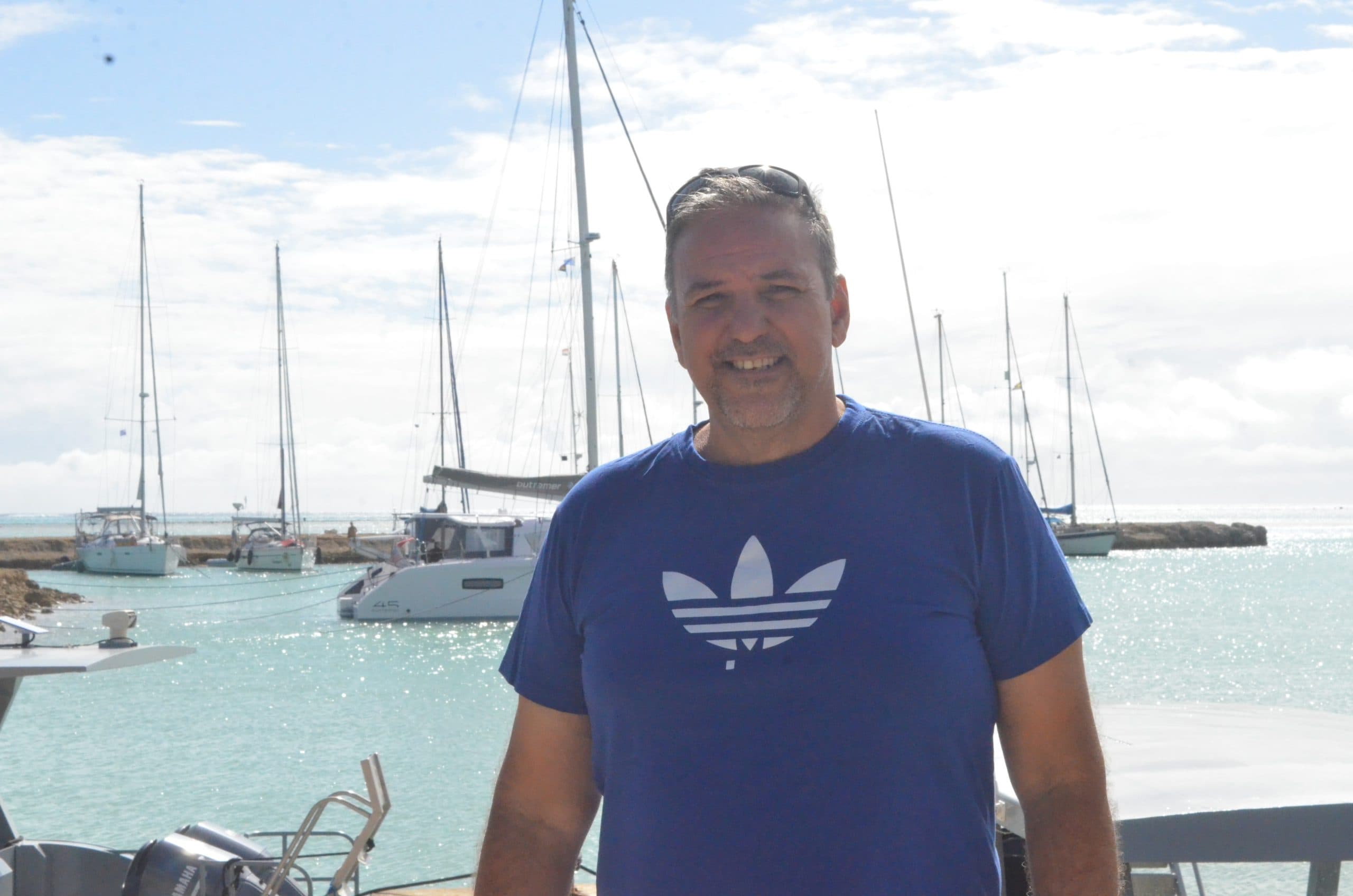
Last week, the Government approved the one-off $700,000 payment to local electricity provider Te Mana Uira O Araura (TMU) to cover soaring fuel costs and help maintain a reliable power supply for Aitutaki.
However, as part of the agreement, TMU will implement a previously approved 20 per cent tariff increase, effective from the September meter readings.
While Henry welcomed the financial intervention, he stressed that the relief funding provides only temporary relief rather than a sustainable, long-term solution for the island.
“I welcome the Government stepping in,” Henry said. “It’s a necessary and appreciated response to a genuine crisis at TMU, and it stops what would otherwise have been an even steeper hit to Aitutaki households.”
“But I want to be honest about what this is: a bailout, not a solution. It treats the symptom, not the cause.”
Henry said the tariff increase will place further pressure on households and businesses already dealing with a high cost of living.
“A 20 per cent power tariff increase lands on top of an already high cost of living for our people,” he said, pointing to increased freight and port costs, high fuel and rising food prices.
“For an outer island economy, electricity isn’t a discretionary cost; it’s tied to refrigeration, water pumping and the basic running costs of every small business here, so this increase will be felt in every household and every business on Aitutaki.”
Henry said he was particularly concerned about pensioners and lower-income families and would push for targeted relief for those least able to absorb the increase.
He also highlighted the additional costs faced by households following a series of brownouts and power blackouts, which he said had resulted in damage to electrical appliances.
In a statement released last week, the Cook Islands Investment Corporation (CIIC) said the Government has approved temporary financial support of up to $700,000 for TMU to offset a significant increase in fuel costs between April and July 2026 and help maintain a reliable electricity supply for Aitutaki.
CIIC noted that the one-off payment will come from the Energy Response Support Fund, which is already budgeted for the 2026/27 financial year, rather than serving as ongoing government funding.
However, Henry said on Friday that he had not yet received a direct breakdown from either the Government or TMU detailing exactly how the $700,000 would be spent or how long the funds were expected to support the utility.
“Given how volatile diesel prices have been this year, I would expect this to buy TMU months rather than a lasting fix,” he said.
He said he would seek clarity from the TMU chairman and CIIC on the spending and a firm timeline.
“What Aitutaki needs is confidence that we’re not back here again in six or 12 months asking the same questions.”
Henry said Aitutaki’s reliance on imported diesel leaves the island vulnerable to global fuel price shocks, with the cost ultimately being passed on to residents and businesses.
“The real fix is finishing the solar-plus-battery capacity we’ve been advocating for, so Aitutaki is no longer at the mercy of the world diesel market.”
He also stressed the importance of keeping the island’s resorts and businesses connected to the TMU network.
“I have not spoken to all resort and business owners recently, but I will still be advocating for them to remain on the grid, as without their participation and support, Te Mana Uira would not be financially viable,” Henry said.
“However, we – TMU, CIIC, the Island Government and National Government – must also do our part.”
Henry said major resorts on Aitutaki remain connected to the grid, with some using solar systems for pumps and a small number having backup generators, but almost all of their energy continues to come from TMU.
Looking beyond the immediate crisis, Henry said Aitutaki should aim to provide 24-hour reliable electricity at a reasonable cost, with renewable energy at the centre of that plan.
“Aitutaki must provide 24-hour reliable power supply at a reasonable cost,” he said. “The good news is Aitutaki can do this.”
Henry believes the island could achieve a 90 per cent-plus renewable energy solution within 12 months, arguing that savings from reduced fuel consumption could help finance a 1MW solar system.
He said Aitutaki generates sufficient tax and power tariff revenue to potentially pay off such a system within five to seven years, and he has been advised that more than $7 million in renewable energy funding could potentially be available.
Henry also sees an opportunity for TMU to become a regional leader in renewable energy.
“I believe that the skillsets being developed in Aitutaki today could enable Te Mana Uira to lead the way in the renewable energy sector, not just for the Cook Islands but for the Pacific,” he said.
“Te Mana Uira could be the ‘guns’ in solar power, wind generation and green hydrogen.”
TMU chair John Baxter earlier acknowledged that increasing renewable energy generation was critical to improving the resilience of Aitutaki’s electricity system and reducing its dependence on diesel.
“The TMU Board is committed to working with Government and development partners to continue investing in renewable energy,” Baxter said last week.
“Currently around 20 per cent of Aitutaki’s electricity is generated from solar, following completion of Stage 1 of Government’s renewable energy project.
“TMU has developed plans for Stage 2 which, when implemented, would increase solar generation to around 70 per cent of Aitutaki’s electricity supply.
“This will significantly improve the resilience of our electricity system, reduce our exposure to international fuel price movements and provide the foundation for better and more sustainable electricity pricing for Aitutaki power users over the longer term.”

Comments
No comments yet. Be the first to share your thoughts.