
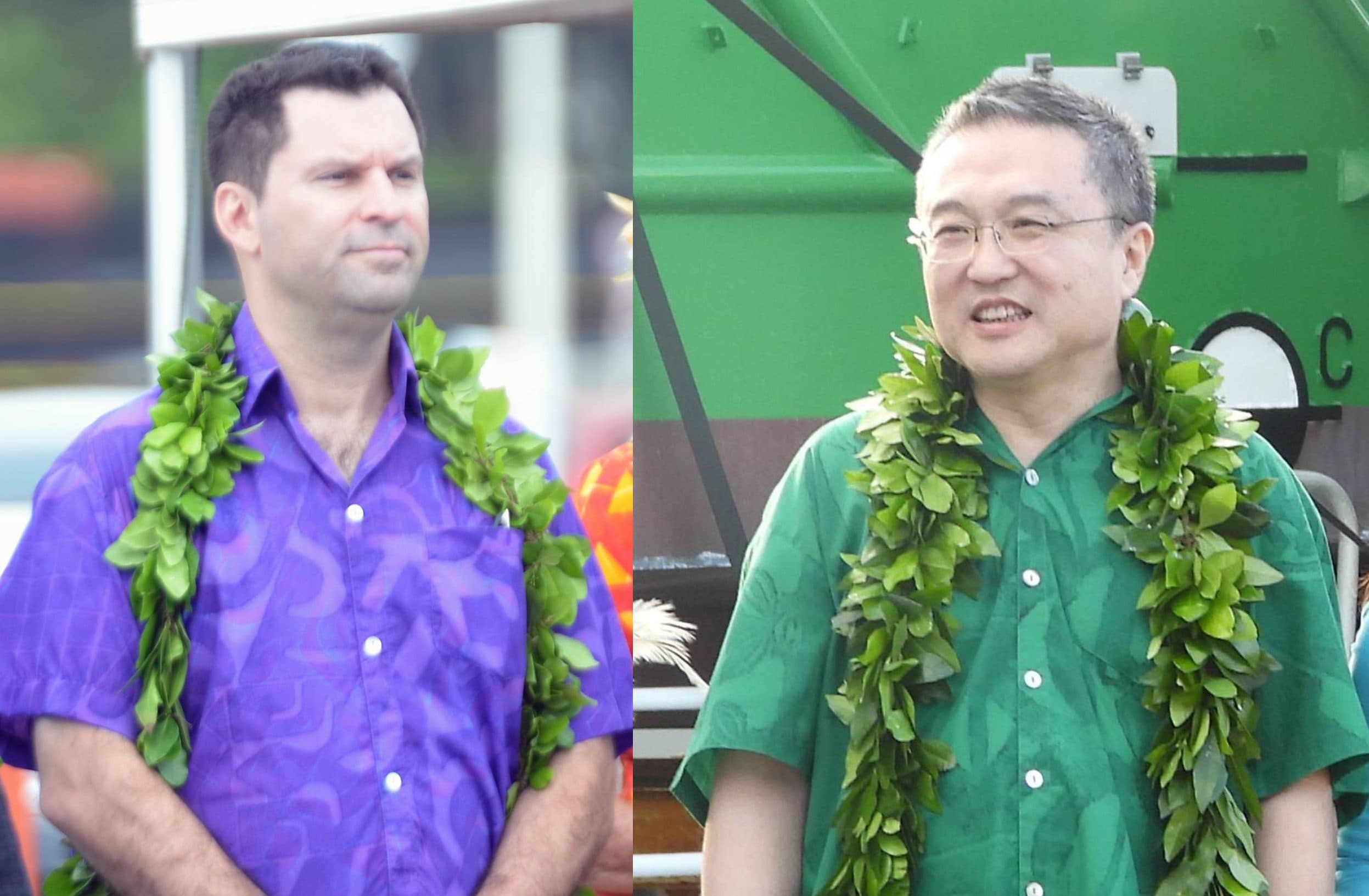
China reaffirmed its commitment, highlighting ongoing training programmes, as the United States prepares to base a scientist in-country to work with the Seabed Minerals Authority (SBMA).
Last month, Dr Erik Noble, the assistant secretary of Oceans and Atmosphere at the National Oceanic and Atmospheric Administration (NOAA), announced that a US Embassy Science Fellow would be based in the Cook Islands, strengthening the scientific relationship between the two countries, building on information gathered during the expedition of the NOAA ship Okeanos Explorer
The US scientist Dr Nicole Bartlett of NOAA – an Embassy Science Fellow (ESF) will be based in Rarotonga, starting this November, to provide “technical scientific expertise” as the nation continues its deep-sea mineral exploration phase, the US Embassy in New Zealand had earlier confirmed.
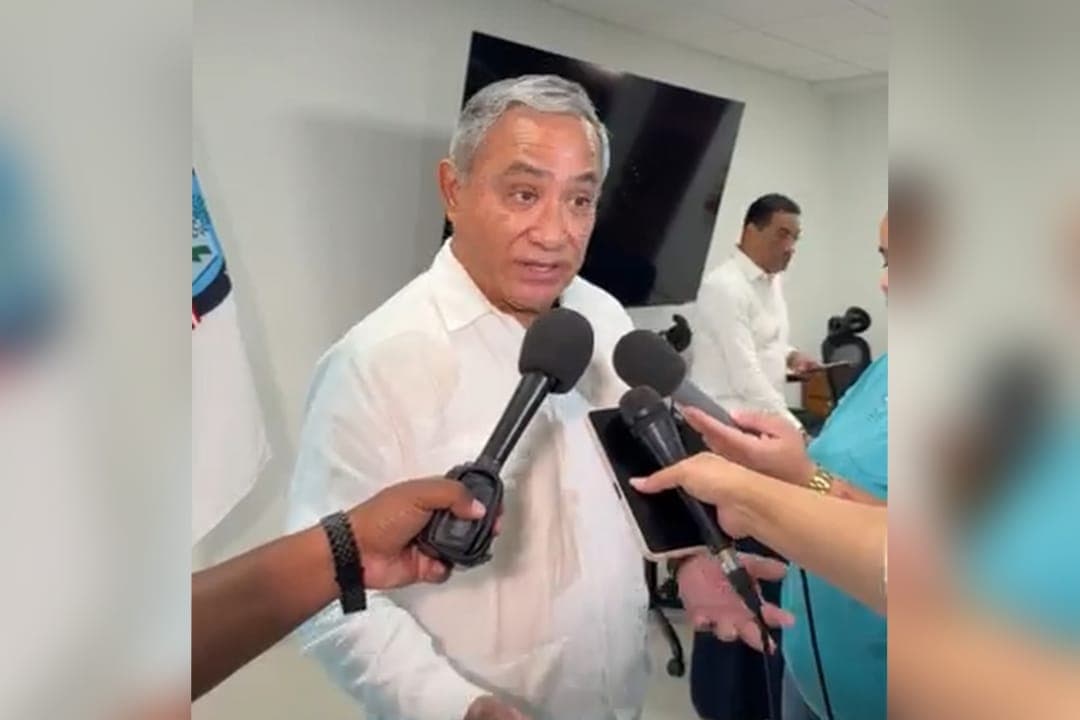
China’s ambassador to the Cook Islands, Dr Wang Xiaolong in a recent visit, was asked whether China would also consider stationing a scientist in the Cook Islands.
Dr Wang told Cook Islands News, “I understand the basing of a US scientist is largely for capacity building purposes, and we have been doing capacity building exercises together with these Cook Islands sites as well for some time.
He said China is currently running a custom-designed training programme for 20 Cook Islanders, aimed at building local capacity and in-house expertise for seabed mineral exploration and development.
“We’ve put together this custom-designed training programme for them to help them build up the capacity and to develop in-house, in-situ expertise so that you could have the best knowledge to help you make the best plans to ensure the best processes to maximise benefits for Cook Islands once you decide to take the step on exploration and development of those resources,” Dr Wang added.
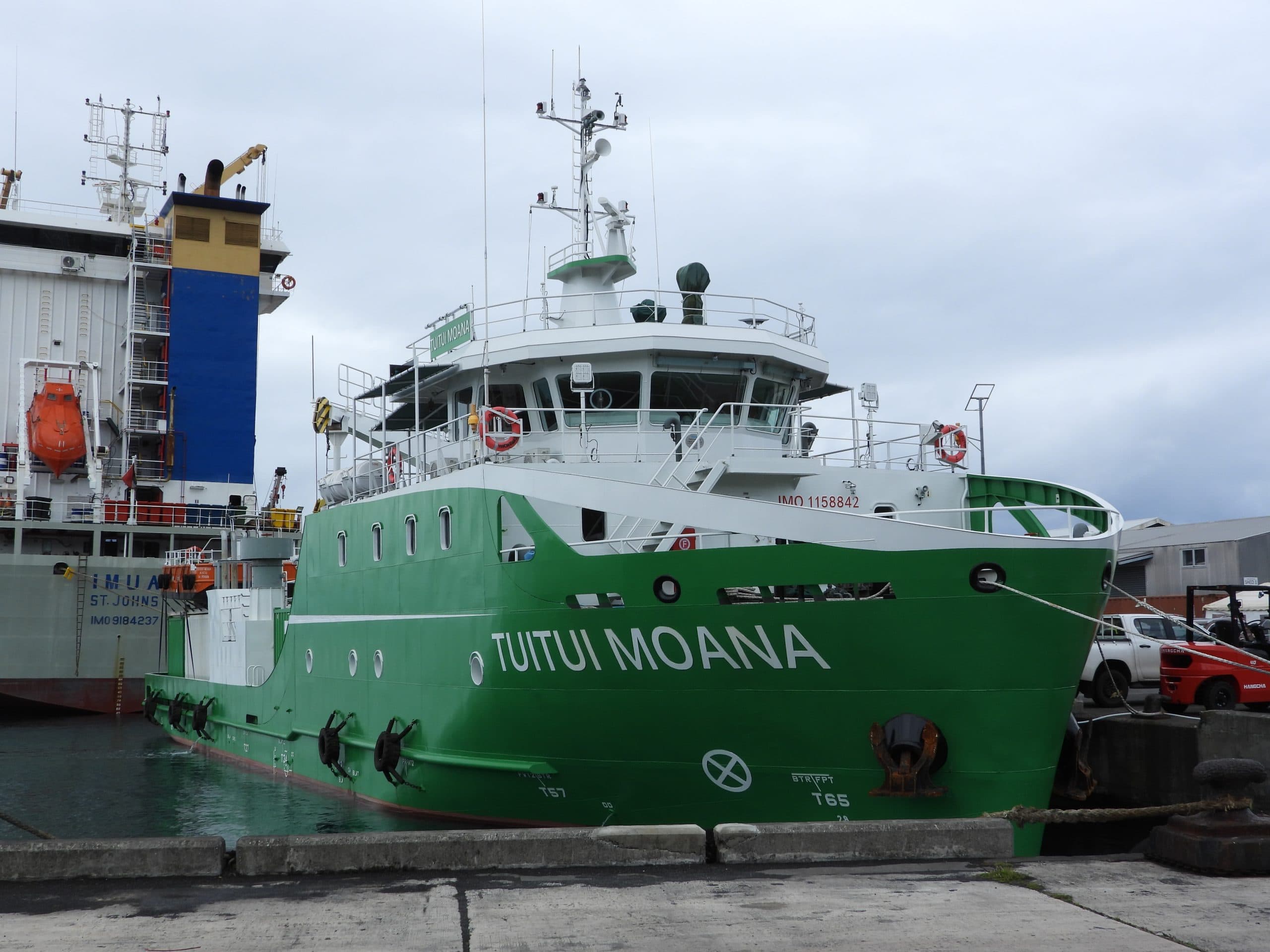
Around October last year, Dr Wang said China had the first voyage of the scientific survey ship, Chinese ocean research vessel, RV Da Yang Hao, “which helped to collect data doing the preliminary and foundational survey for seabed conditions, the environment, as well as those data in relation to seabed minerals.”
He said the idea is to support the efforts of the Cook Islands Government to explore and develop those resources to support the long-term sustainable development of the Cook Islands as a nation.
“Of course we would want to do it in a way that would be agreed with the Cook Islands on one side, to serve Cook Islands’ priorities, and at the same time in that process ensure that we’ll adequately protect the environment so that the process would be sustainable, not only in the economic sense, but also in terms of the environmental soundness.”
Dr Wang added that they are working on another voyage, another survey ship with the Cook Government and relevant authorities, “hopefully that will take place within the course of this year.”
The Cook Islands is increasingly drawing international interest for its seabed minerals, with both China and the US stepping up engagement through capacity building and scientific cooperation.
The United States and New Zealand, and the Cook Islands recently announced the co-funded NZ$101 million project for Penrhyn port where US Deputy Secretary of State Landau stated that the project builds on the Critical Minerals Framework signed earlier this year.
United States Ambassador
US Ambassador to the Cook Islands Jared Novelly, in an interview with Cook Islands News, was asked whether the United States welcomes China’s involvement in Cook Islands seabed minerals exploration.
Novelly stressed that it was up to the Cook Islands to decide which partners to work with for the benefit of its people.
“It’s not my purview or job to say,” the Ambassador said, when asked if China’s advisory role in seabed mining should be welcomed in a similar way to the US approach. “I think that any partners, the Cook Islands owes it to their people to work with any partners.”
However, he noted the importance of sharing experiences from elsewhere in the Pacific, cautioning that there can be pitfalls when working with certain partners
“The only thing I could say is that I would probably share information from what’s happened in some of the other Pacific Islands. And I would be remiss by not reminding them of some of the pitfalls that working with certain partners has. And I think as long as you can be sure to protect yourself, then speaking with other partners makes all the sense in the world.”

Comments
No comments yet. Be the first to share your thoughts.