
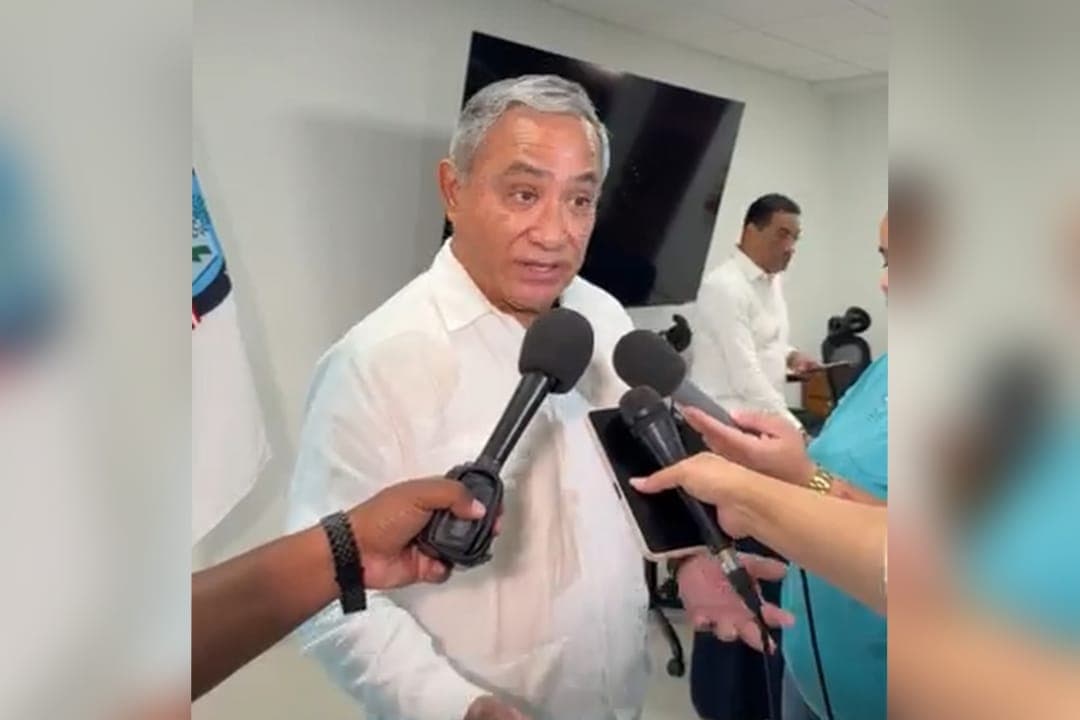
MFEM director of the economic planning division Professor Joaquin Vespignani said the free bus service has shown encouraging results, with student usage almost doubling and a 78 per cent increase in usage among local residents over the last five months.
In April, the government implemented a Public Transport Assistance Programme in response to global fuel supply pressures and rising energy costs brought about by the Strait of Hormuz conflict between Iran and the United States.
“Given these positive outcomes and ongoing fuel cost pressures, MFEM plans to recommend an extension of the policy to Cabinet,” said Vespignani.
“In the meantime, the service will remain free for eligible passengers while Cabinet considers the proposed extension. We are working closely with the bus company to ensure continuity and assess the appropriate duration and financial sustainability of the programme.”
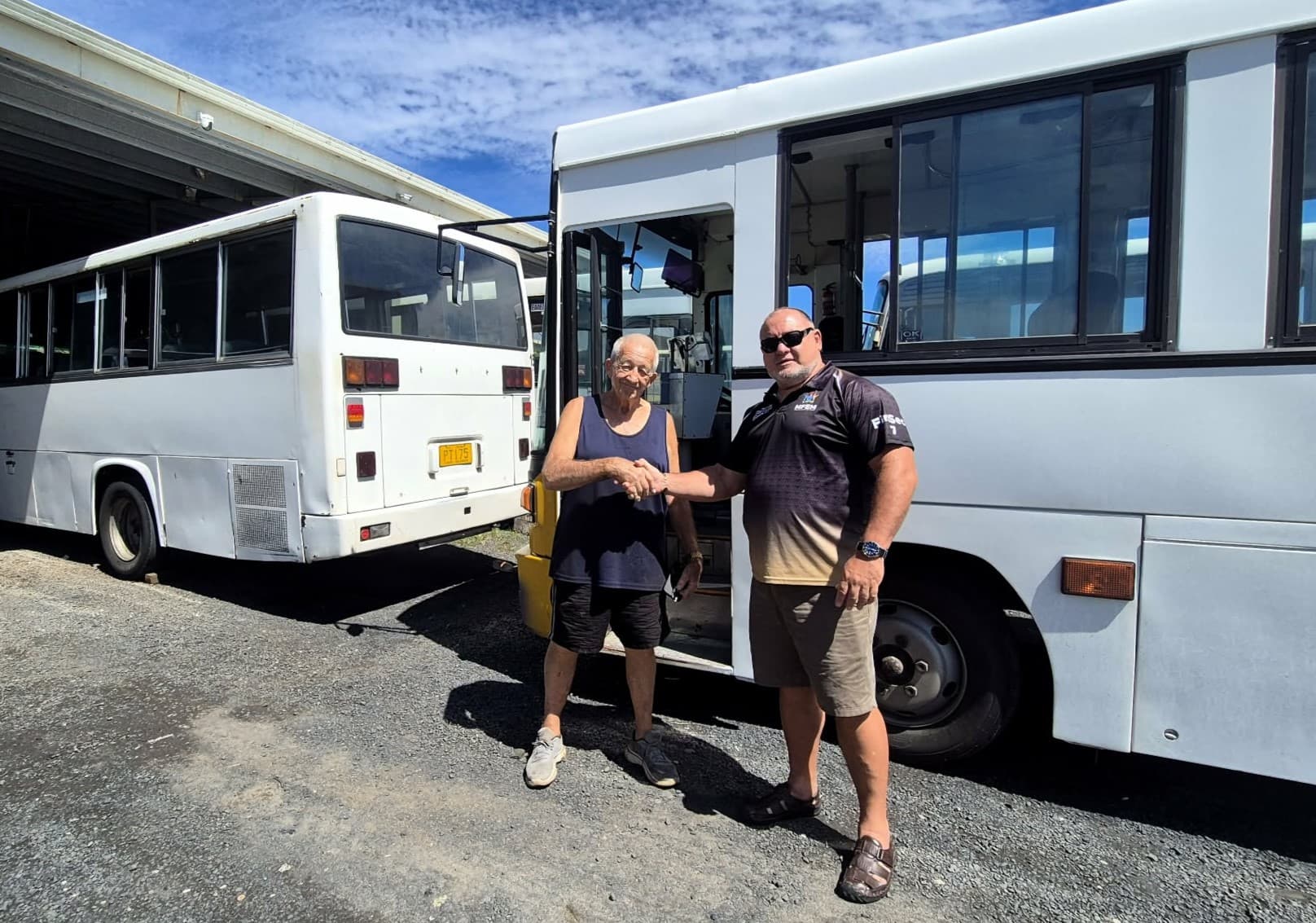
Meanwhile, the Cook Islands Bus Passenger Transport Ltd has chosen, in good faith, to continue providing the same subsidised conditions to the community.
“This means Cook Islands residents, including expatriate workers, and registered Student Card holders can continue to receive up to two free bus rides per day,” said Danny Cook of Cook Islands Bus Passenger Transport Ltd.
“We have continued the programme because we recognise the importance of affordable public transport to local workers, families and students, and we are working on the understanding that discussions with Government regarding continued support are ongoing.
“We will maintain the current two-free-rides-per-day arrangement until we receive formal confirmation from Government regarding its intention to either continue or discontinue the subsidy.”
MFEM said in a statement last week that fuel is still arriving in the Cook Islands and shipments are scheduled. There is no need to stockpile. But global fuel prices are high and likely to stay high into 2027, so it makes sense to plan and use fuel wisely, it said.
Most Pacific countries, including the Cook Islands, buy fuel from Singapore through Fiji. Fiji and Samoa both raised diesel prices on 1 September, and further increases across the region are likely in October.
“Diesel is the fuel our islands run on. It generates most of our electricity on Rarotonga and in the Pa Enua. It powers delivery trucks, fishing boats, inter-island ships and building machinery. When diesel gets dearer, the cost of power, freight and many imported goods tends to follow,” stated MFEM.
“Jet fuel matters too. It is now about 90 per cent more expensive than last year, and airlines may pass some of that cost on through fares. That could affect visitor numbers, which hit a record of 21,728 arrivals in July.”

Comments
No comments yet. Be the first to share your thoughts.