
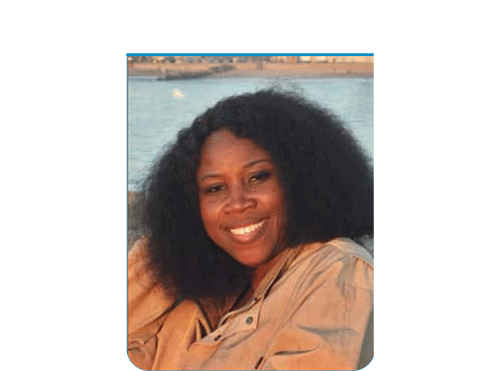
Come with me as I gist you about Namibia, a country that surprised me, fascinated me and honestly stole a piece of my heart.
My journey to Namibia began with an unexpected highlight: sharing both flights from Lagos via Addis Ababa with Nollywood actress Teniola Aladese, whose warmth made an already exciting trip even more memorable. Then we arrived in Namibia.
The first thing that struck me as we landed was the sheer size of the country and how sparsely populated it is. Looking down from the plane, you see land, space and an incredible sense of openness.
Namibia has a population of just over 3 million people, yet its landmass is almost the same size as Nigeria’s.
Imagine having that much land and so few people!
As we travelled from Windhoek, the capital city, to Swakopmund, I couldn’t help but observe the landscape. The endless curtain of hills stretching into the distance was breathtaking.
Can you believe that Windhoek is spelt one way but pronounced “Vin-hook”? Fascinating! Namibia’s history is fascinating. Formerly known as South West Africa, the country gained independence and adopted the name Namibia in 1990. Its German colonial influence is still visible today in its architecture, names, streets and culture.
Another fascinating fact is that Namibia is also home to the Namib Desert, one of the oldest deserts on Earth.
And then came Swakopmund.
Ah, Swakopmund. This city is something special.
A beautiful coastal town sitting along the Atlantic Ocean, Swakopmund immediately captured my attention.
The beachfront is simply beautiful. Children play freely, families spend time together, people take walks, and photographers wait patiently to capture beautiful moments.
Swakopmund often felt more European than African, with its preserved German colonial architecture, neat streets and cosmopolitan atmosphere.
There was also the famous Jetty 1905 Restaurant at the end of a long jetty stretching into the Atlantic Ocean.
Cee was determined that we walk all the way there. I tried. I really did.
But I am hydrophobic, and standing over the vast Atlantic Ocean was not as easy as I imagined. To make matters worse, the cold was intense, and my fingers became numb.
Cee kept encouraging me, saying, “Come on, trust me.”
But my feet had already decided.
I turned back, and Cee simply laughed and walked back with me.
Speaking of cold, Namibia introduced me to proper winter. The foggy mornings, freezing temperatures and the joy of finally seeing the sun made me appreciate warmth in a completely new way.
One major culture shock was closing time. The mall and shops close around 7 p.m.
Coming from Nigeria, where you can still find food at 2 a.m., this was an adjustment. But I loved the calmness and slower pace of life.
At an art and crafts market, the vendors welcomed me warmly. One woman told me I was the first Nigerian she had met, and our conversation reminded me that travel is as much about people as it is about places. Somewhere along the way, Namibia stopped feeling like a country I was visiting and started feeling like home.
On my final night, my colleagues Joy and Selima and I exchanged pieces of our clothing as souvenirs. Joy was so excited that she immediately wore the Ankara kimono I gave her.
It was a simple gesture that captured the friendship we had built.
I also learned beautiful things about Namibian culture. One thing you should never joke about is their mothers.
My host, Ali, shared that insulting a Namibian man’s mother is one of the quickest ways to take him from zero to one hundred. That is how much they love and respect their mothers.
One of the things I admired most was seeing women occupying leadership positions across government and business.
It is inspiring and a reminder of the importance of educating and empowering girls.
Another beautiful thing I learned is that schools in Namibia sing both their national anthem and the African Union anthem. As someone who works with APRA, I was deeply touched by this.
On the final day of the conference, Conference Manager Confidence Musariri surprised the Nigerian delegation by singing Eze Ndi Eze flawlessly. It was a beautiful gesture of cultural appreciation that earned a standing ovation.
Someone beside me asked, “Is he actually saying the words correctly?”
He absolutely was.
I also picked up a few local words. In Oshiwambo, “thank you very much” is Tangi uunene. In Afrikaans, it is Dankie.
Small words, but they made me feel connected.
Oh Namibia, I came for a conference. I expected meetings, learning, networking and professional connections.
I did not expect to fall in love with your landscapes, culture and people. You found your way into my heart. And somewhere in the middle of discovering this beautiful country… I found a little piece of love there too. Some stories end when the journey is over.
I have a feeling mine is only just beginning.
And I am already looking forward to coming home again.
*Veronica Abuede attended the Effective Communicators Conference in Swakopmund, Namibia, from 14 to 17 July 2026.

Comments
No comments yet. Be the first to share your thoughts.