

Three years ago, the Cook Islands relied on paper phytosanitary certificates. Today, they are a regional leader in digital certification. What changed?
In 2022, the Cook Islands adopted the IPPC ePhyto Solution and replaced paper certificates with secure electronic ones. For a country of just 14,000 people, digitalization has been transformative. By 2025, more than 2,400 ePhytos, short for “electronic phytosanitary certificates”, had been exchanged, costs and border delays reduced, new markets opened, and the nation become one of the Pacific’s leaders in electronic certification.
Why was this transition so important?
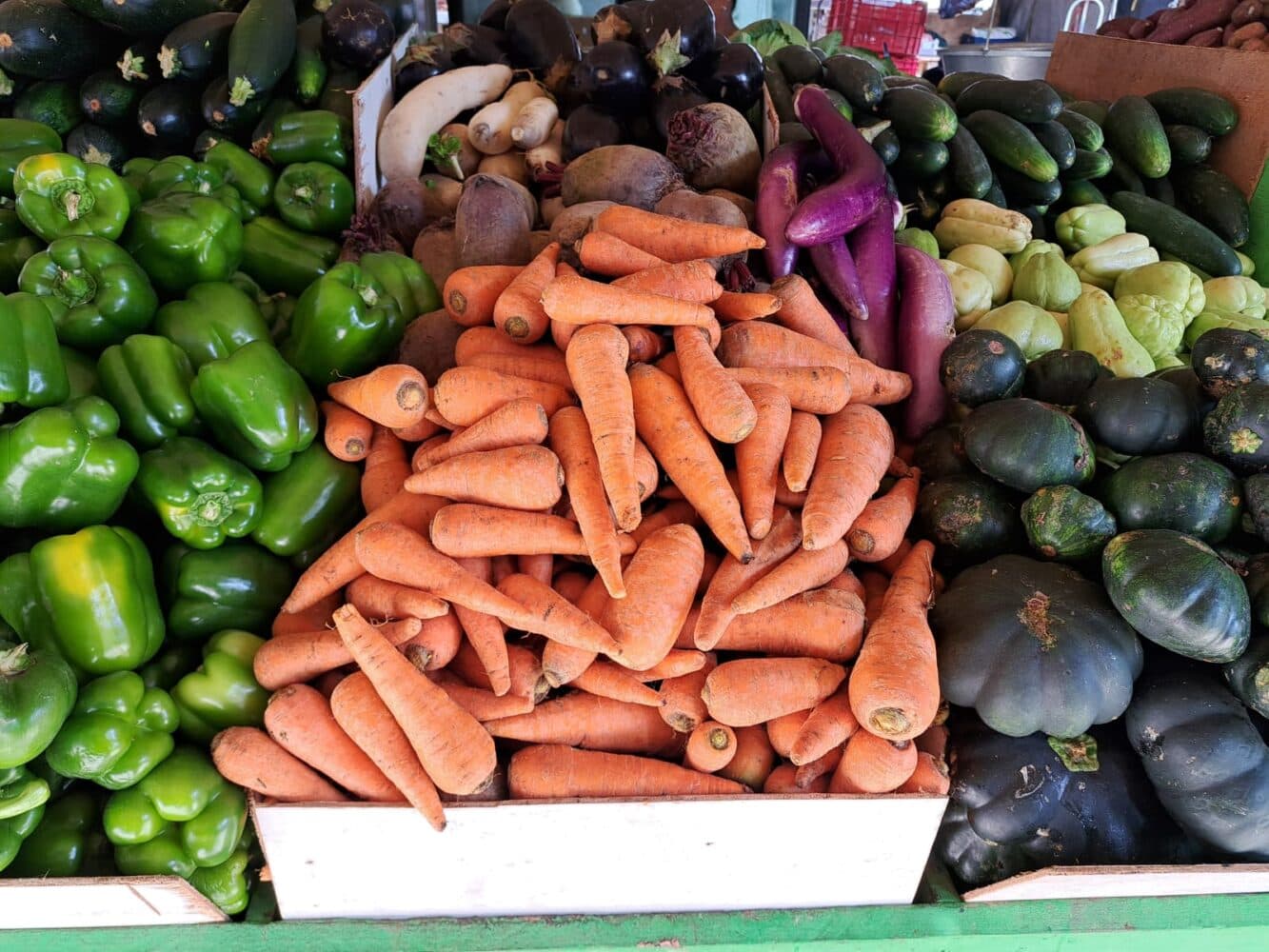
Trade is a lifeline for the Cook Islands. Around US$ 213 million in goods are imported each year, while exporting products such as vanilla, taro and noni juice are worth around US$ 30 million. Initially, paper-based phytosanitary certificates were slow, costly and easy to fake. Border delays affected businesses and food security alike. Developing a national electronic certification system was simply not realistic for a small island nation, so a practical, affordable solution had to be sought.
How did this happen?
The Generic ePhyto National System (GeNS) was adopted, a ready-to-use platform connected to the global IPPC ePhyto Hub. It provided everything that was needed without having to build a whole new system.
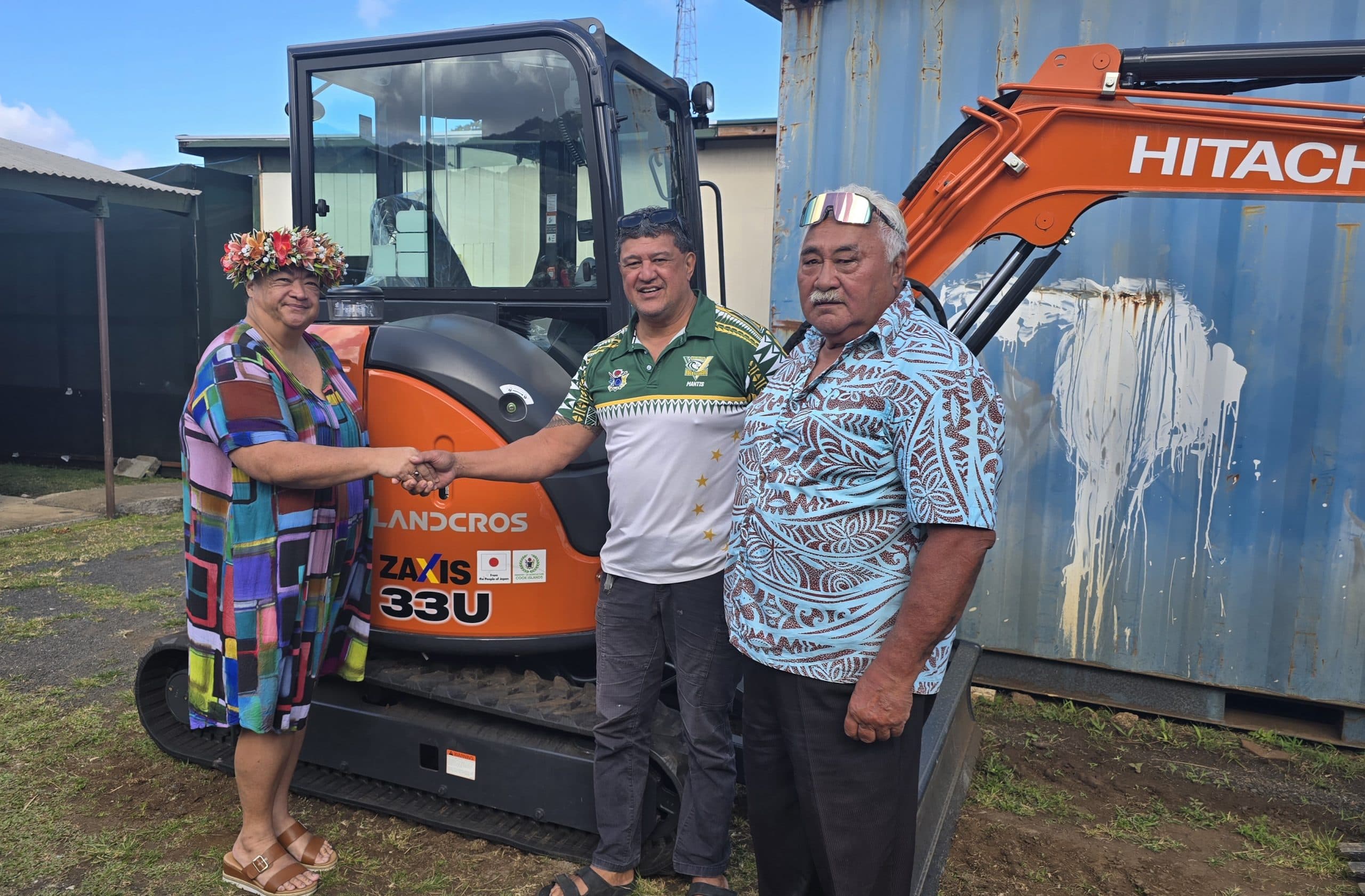
But technology was only part of the story. The IPPC Secretariat trained local biosecurity officers and information technology staff, while exporters, importers, shipping agents and customs brokers helped shape the rollout. Australia and the PACER Plus Implementation Unit invested NZD 60,000 (approximately US$ 35,000) in equipment, training and workshops. Most importantly, traders do not pay user fees, making the system accessible to everyone.
What difference has ePhyto made?
Today, 60 to 70 electronic certificates are exchanged every month, with imports accounting for around 80 per cent of them. The collaboration started with Australia and New Zealand and has since expanded to partners including France and the United States.
There have been reductions in courier, postage and administrative costs, processing has been speeded up, the number of re-issued certificates cut and the risk of costly border delays reduced. Because every certificate is secure and verifiable, the country’s trading partners have greater confidence in their exports.
Perhaps most importantly, the foundations for wider border digitalization have been established. Today, Cook Islands officers are sharing what they have learned by training colleagues across the Pacific.
What are the plans for the future?
The aim is to extend the IPPC ePhyto Solution to certificates covering plants and plant products carried in passengers’ luggage, introduce the GeNS’s e-billing function, and establish a sustainable cost-recovery model so that the service can remain financially sustainable over the long term.
What steps should other economies, considering the move to ePhyto, take to make the transition?
Success rests on preparation and partnership. It is essential to start with a full mapping exercise and review laws to make sure that there are no legal barriers to electronic certification. From there, it is necessary to proceed with a few pilot trading partners to test the system end-to-end before going live on a general scale. Reliable information and communications technology infrastructure, as well as internet connectivity, are essential, along with backup plans in case something fails. Staff, exporters and importers all need role-specific training, and a budget should be set aside for ongoing maintenance and support. In addition, securing government and legal recognition for electronic certificates matters, as does joining regional IPPC ePhyto networks to share experience and access technical help.
This story was contributed by the UN Food and Agriculture Organization.

Comments
No comments yet. Be the first to share your thoughts.