
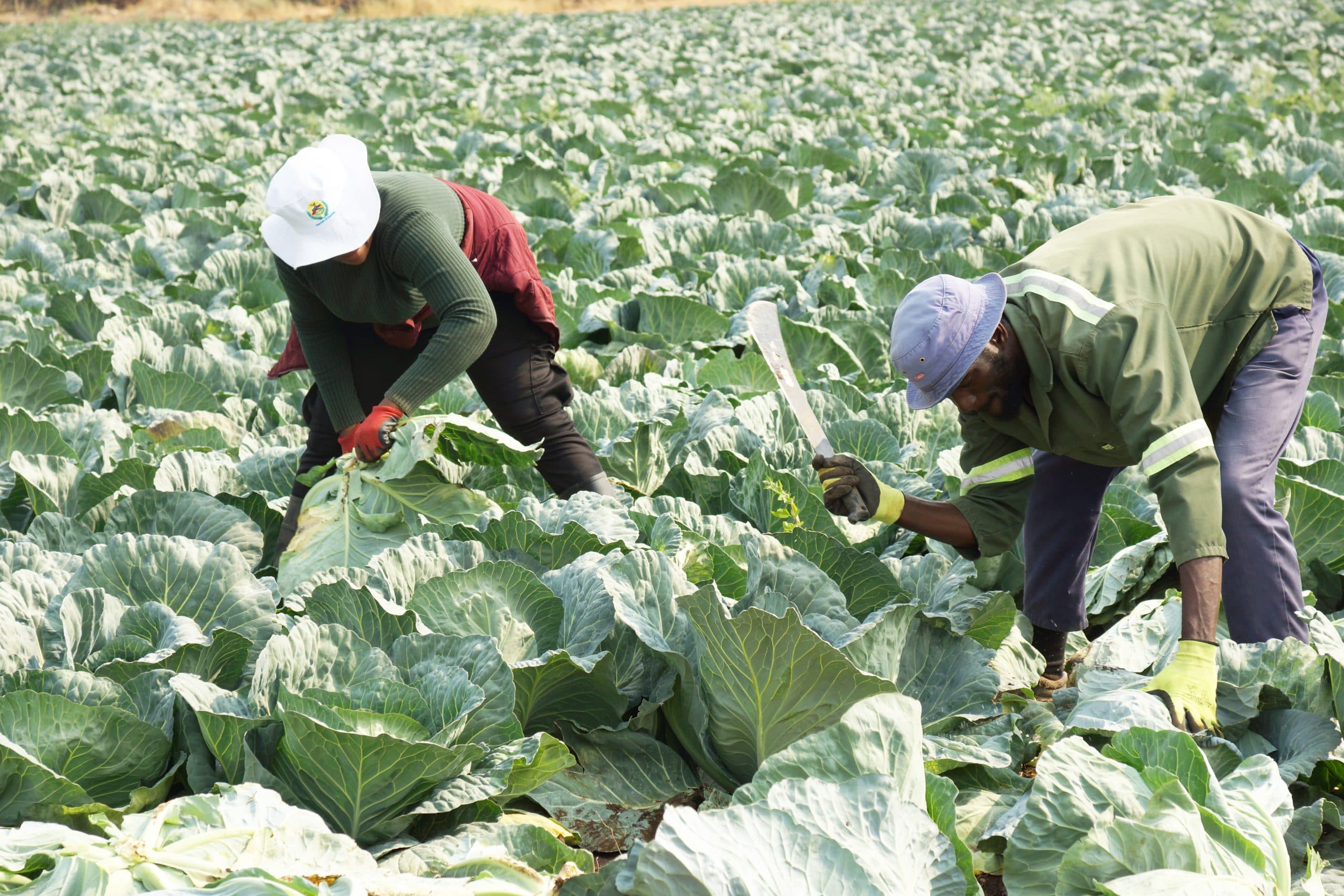
Agriculture minister Inge Zaamwani has said Namibia is now entering a critical phase in its fight against food insecurity and malnutrition, and that this phase will see policies translated into practical strategies with clearly defined priorities, work streams, and investment packages.
Zaamwani spoke at a recent networking meeting with various development partners in the capital, where progress on the draft implementation framework for Namibia’s Strategy for the Transformation of the Agri-food Sector (STAS) was reviewed.
She told development partners that this phase demands heightened commitment and collaboration from all stakeholders, including government, both communal and commercial farmers, agribusinesses, financial institutions, civil society and academia.
STAS is Namibia’s comprehensive blueprint for modernising agriculture, fisheries, water and land management.
Initially launched in November 2024 by the ministry, the strategy aims to increase investment, improve productivity, and build highly competitive national value chains.
With targeted goals spanning the 2025/26 to the 2030/31 financial years, STAS aims to transition Namibia from traditional low-input farming to a modern, commercially driven industry.
STAS heavily promotes modern technology to slash production costs and elevate yields. This includes the integration of artificial intelligence (AI), drone technologies, automated irrigation systems, and satellite monitoring.
“The next phase will require an even greater level of commitment and cooperation. Through this programming process, we will lay the foundation for coordinated action, strategic investment, and lasting impact across Namibia’s agri-food sector. At the same time, we must act with urgency. This process should build on the valuable work, lessons and experiences already gained through previous initiatives, ensuring continuity, avoiding duplication and accelerating the delivery of tangible results,” emphasised Zaamwani.
Key targets
Through STAS, Namibia is targeting an ambitious 6% annual economic growth rate within the agri-food sector and aims to reduce national food insecurity from 25% down to 12%.
The country also wants to expand total domestic food production by 20% and align public financing by urging the government to allocate 10% of the national budget to agriculture.
She underscored that the transformation cannot be achieved by the government alone. It is a collective effort requiring active participation from all sectors of society.
The strategy aims to institutionalise cooperation between public and non-state actors, ensuring efforts are aligned around a shared national vision.
Faced with escalating climate volatility and El Niño patterns, STAS prioritises climate-smart agriculture. Focus areas include expanding desalination options for agricultural use, securing inputs, and improving communal rangeland management.
“The transformation envisaged under the STAS must benefit communal and commercial farmers alike, strengthen sustainable fisheries and aquaculture, promote equitable land governance and productive land use. We need to improve water supply security through climate-smart water management technology. Similarly, we must harness the opportunities presented by renewable energy to enhance agricultural productivity, lower production costs and build resilient food systems…”
“Equally important is the role of women and young people, who are at the heart of our agricultural production, fisheries, agribusiness, innovation and rural transformation. Their meaningful participation across the entire agrifood value chain is essential if we are to unlock the full potential of the sectors,” added the minister.
Zaamwani reassured that government remains optimistic about the future, emphasising that a more resilient, competitive, and inclusive agri-food sector will contribute significantly to the implementation of Namibia’s national development plans, including NDP6, Vision 2030, and the CAADP Kampala Declaration. -ohembapu@nepc.com.na


Comments
No comments yet. Be the first to share your thoughts.