

Gobabis – In a world increasingly focused on food security and sustainable development, young entrepreneurs are redefining the landscape of agriculture through innovation, resilience, and strategic vision.
One such trailblazer is young female crop farmer Kahitee Keeja, the founder of Okarui City Fresh Produce in Omaheke region’s Otjombinde constituency, whose journey exemplifies determination and entrepreneurial spirit in the face of industry challenges.
Okarui City Fresh Produce’s farming venture began with a clear vision: to contribute meaningfully to local food production while building a resilient business model.
“The initial spark came from seeing the opportunity to contribute to local food production while building a sustainable business in agriculture,” the 33-year-old shared.
Recognising the persistent demand for fresh produce within her community, she set out to develop a commercially viable farm capable of reliable supply.
However, as a newcomer to farming, she encountered significant hurdles, which included a lack of access to land, capital, and equipment. Those were among her most daunting challenges.
“Starting on a small scale and focusing on making the resources available was crucial,” she told Select Agri.
Instead of waiting for ideal conditions, she began with what she had, learned through hands-on experience, reinvested in her enterprise, and built enduring relationships with customers and stakeholders.
Her journey underscores that farming demands patience, resilience, and a willingness to start modestly while maintaining a broader vision.
Diversification
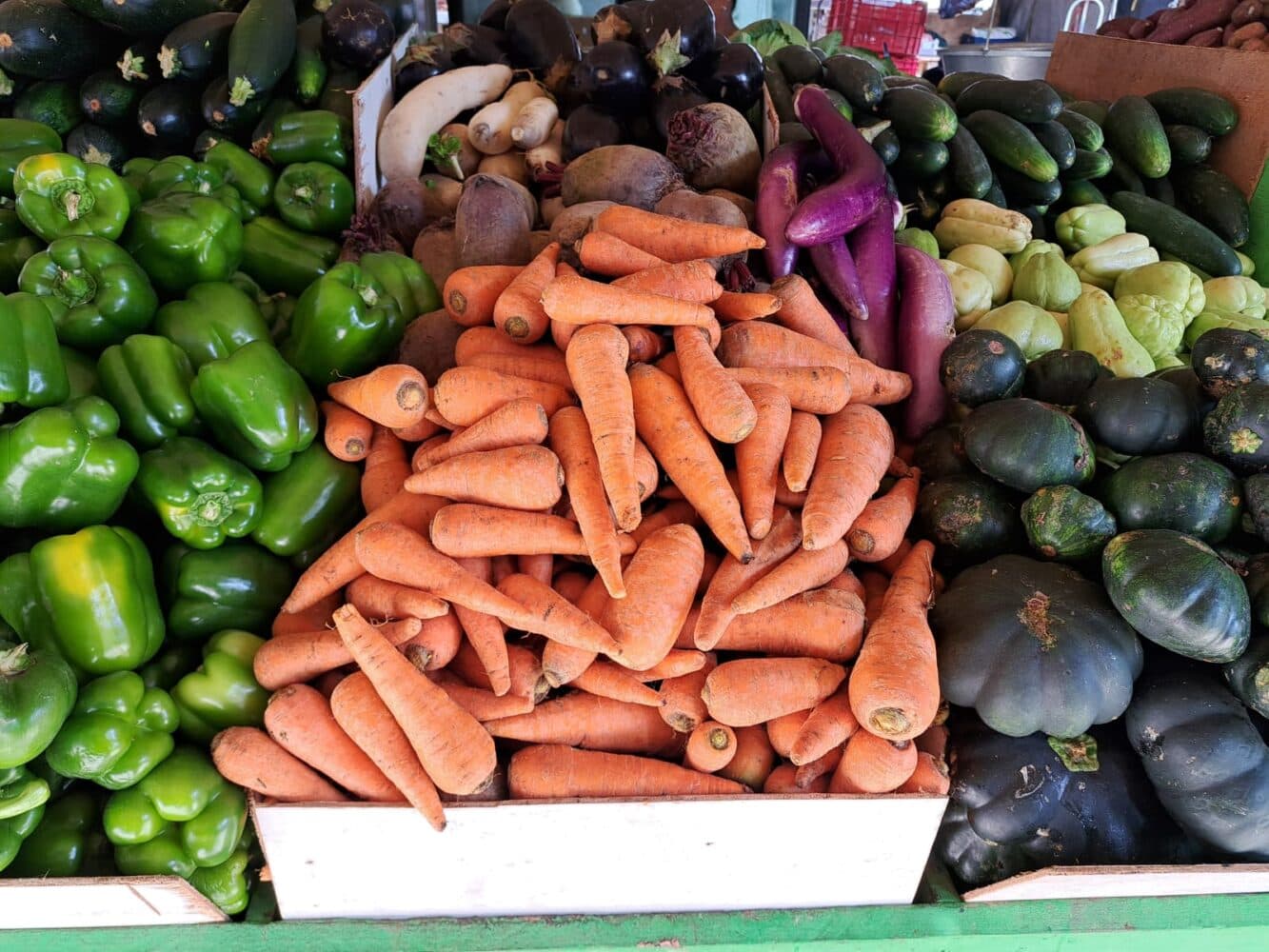
Okarui City Fresh Produce’s success hinges on its diversified crop portfolio, including potatoes, butternut, cabbage, carrots, gem squash, onions, pumpkin, and beetroot.
This strategic diversification has proven vital in managing risks associated with weather variability, seasonal cycles, and fluctuating market demands.
“Having a diversified crop portfolio helps us manage some of the risks associated with agriculture. Instead of depending on a single crop, we spread our production and serve a broader customer base. This approach not only mitigates risks but also generates multiple income streams, enabling the farm to adapt swiftly to market shifts and environmental challenges,” she stated.
By continuously assessing market trends and crop suitability, she highlighted the importance of informed decision-making in sustainable farm management.
“This approach also creates different income opportunities throughout the production cycle. By continuously assessing market demand and the suitability of different crops, we can make informed decisions about what to produce and how to allocate our limited resources.”
Systemic barriers
As a young woman in a male-dominated industry, Keeja has faced systemic challenges, particularly in securing institutional financing.
“One of the biggest challenges has been access to finance and the requirements attached to institutional funding,” she admitted.
Traditional financial institutions often demand collateral, an established credit history, and scale; criteria that emerging farmers, especially women, struggle to meet.
In response, she has taken a proactive approach of exploring grants, business development programmes, strategic partnerships, and alternative funding sources.
“I have therefore had to become very intentional about building the business from the ground up. Instead of relying solely on conventional financing, I have explored grants, business-development programmes, partnerships and other opportunities that can help us acquire the infrastructure and resources needed to grow,” she shared.
Maintaining detailed records, demonstrating sales, and understanding costs have been instrumental in transforming her farming idea into a commercially focused enterprise.
Celebrating milestones
Among her proudest achievements is transforming Okarui City Fresh Produce from a humble beginning into a thriving business.
“ One of my proudest achievements has been taking Okarui City Fresh Produce from an idea and a small farming operation into a business that is actively producing and selling fresh produce to the market. Seeing crops that I have planted, nurtured and managed eventually reach customers is incredibly rewarding.”
The farm now employs four full-time workers, with additional casual labour during peak seasons, contributing to local employment and economic development.
Her efforts have fostered strong relationships with customers and demonstrated that sustainable farming can be both a livelihood and a profitable venture.
This success story exemplifies how strategic planning, resilience, and community engagement can drive meaningful change.
Looking ahead, Keeja sees untapped potential in the demand for reliable local vegetable supply, especially for crops with consistent market demand but limited local production.
“I see significant opportunities in commercial vegetable production and reliable local supply, particularly for crops where there is consistent market demand, but where local production does not always meet the market throughout the year. Because we are already producing a diversified range of vegetables, we are positioning ourselves to respond to these opportunities by increasing our production capacity and strengthening our relationships with customers,” she optimistically added.
To capitalise on these opportunities, her farm is expanding production capacity, enhancing post-harvest handling, and investing in storage and cooling infrastructure.
These improvements aim to reduce losses, ensure quality, and provide consistent supply to markets, which are crucial steps towards long-term sustainability.
“One of the constraints we are currently addressing is post-harvest handling and storage. Investing in appropriate storage and cooling infrastructure will help us protect the quality of our produce, reduce post-harvest losses and improve our ability to supply customers consistently.”
Future growth
Her long-term vision is ambitious, which is to evolve Okarui City Fresh Produce into a large-scale, diversified agricultural enterprise.
This includes expanding landholdings, adopting mechanised farming, integrating livestock such as pigs and chickens, and establishing a robust distribution network.
“In the next few years, we aim to increase our production volume, improve infrastructure, and create more employment opportunities,” she outlined.
Her ultimate goal is to demonstrate that young farmers can start small, build sustainably, and contribute significantly to food security, employment, and economic development.
Keeja and Okarui City Fresh Produce’s journeys show that with strategic planning, resilience, and innovation, young entrepreneurs can turn agriculture into a viable, impactful livelihood.
-ohembapu@nepc.com.na

Comments
No comments yet. Be the first to share your thoughts.