
The Public Accounts Committee (PAC) has acknowledged the increased budget allocation for agriculture as a significant opportunity to strengthen domestic food production, improve resilience and support farmers across the Cook Islands.
The Ministry of Agriculture will receive a total funding allocation of $2,484,638 in gross appropriations for the 2026/27 financial year, following the passage of the allocation in Parliament last week.
However, in its final report on the Review of the Appropriation Bill 2026-2027, the Committee identified a number of concerns relating to policy readiness, financial management, implementation capacity and accountability.
The Committee found that the new $800,000 Food Security and Import Substitution Programme, set for the upcoming financial year, lacked sufficiently defined performance tracking at a time when food import dependency remained high and vulnerable to global disruptions. Under this programme, the Government has allocated $2.3 million over four years, towards supporting farmers and improving supply chain and access to market.
According to the Committee, biosecurity threats and pest infestations were increasing, while agricultural practices require optimisation such as the water use.
For fertiliser production, PAC says there is heavy reliance on imported chemical fertilisers, which exposes the agricultural sector to global supply shocks despite strong local potential for organic alternatives.
The Committee also found that the revolving fund had historically failed due to weak stock control, poor revenue performance and ongoing reliance on government appropriations.
PAC recommended that the Ministry establish a robust monitoring and reporting framework with measurable key performance indicators (around production output, import reduction and farmer participation), strengthen biosecurity communication systems, prioritise pest management and promote climate appropriate practices such as wetland taro farming.
It also advised the Ministry to develop and scale a national organic fertiliser programme using local materials, support existing producers, and replicate these models in the Pa Enua. Furthermore, it recommended gradually reducing budget reliance on imported fertilisers, implementing strengthened stock management systems, establishing strict financial controls, and conducting regular audits to ensure the fund operates on a self-sustaining basis with clear accountability reporting to Parliament.
Other recommendations included Government undertake a full review of the 12-year-old devolution of agricultural services to the Pa Enua, to determine:
“This review is overdue and essential to ensuring equitable agricultural development across all islands,” PAC stated.
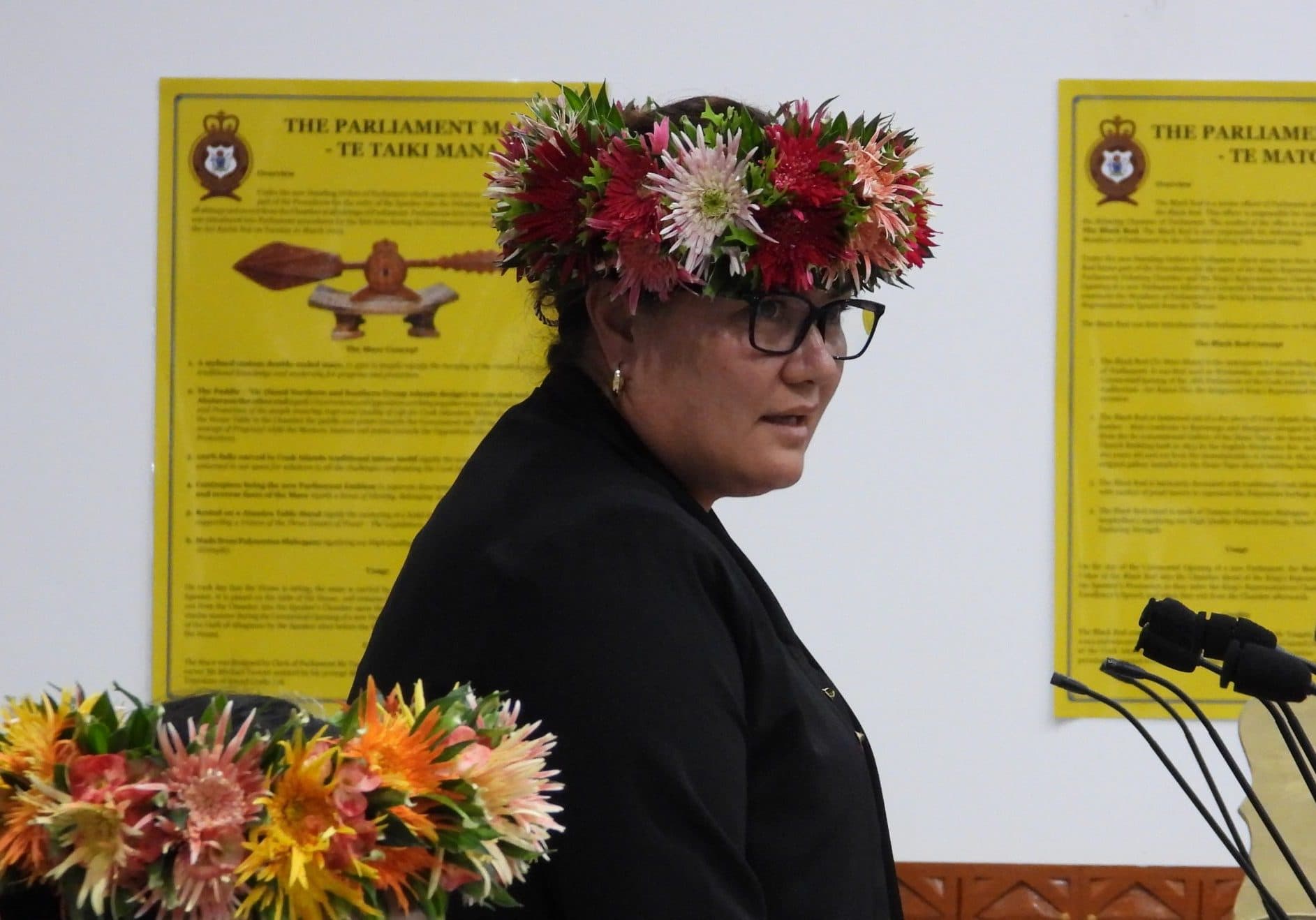
In Parliament on Wednesday, Minister for Agriculture Rose Toki-Brown stated that the appropriation includes a wage increase for agriculture employees in Rarotonga.
Toki-Brown noted that Pa Enua staff would also receive a wage increase, which has been allocated through the islands budget.
Regarding biosecurity and pest control, she announced that the Ministry has acquired a new machine to protect the country from invasive pests.
“This is an X-ray machine that has been installed at the airport as a means to protect our country from pests that might enter our border. We are aware of the problem with ants and we do not want to have other pests arriving into our country,” she said. “In this regard we see the challenges but we are trying to find ways to eliminate these ants because it is causing problems with our coconuts.”
Toki-Brown noted that the Northern Group has received new funding to encourage healthy living through the Cook Islands Red Cross Society’s ATOM Project.
“These funds are helping with projects of non-government organisations and not depending on the government budget giving us the ability to build our hydroponics in the outer islands.
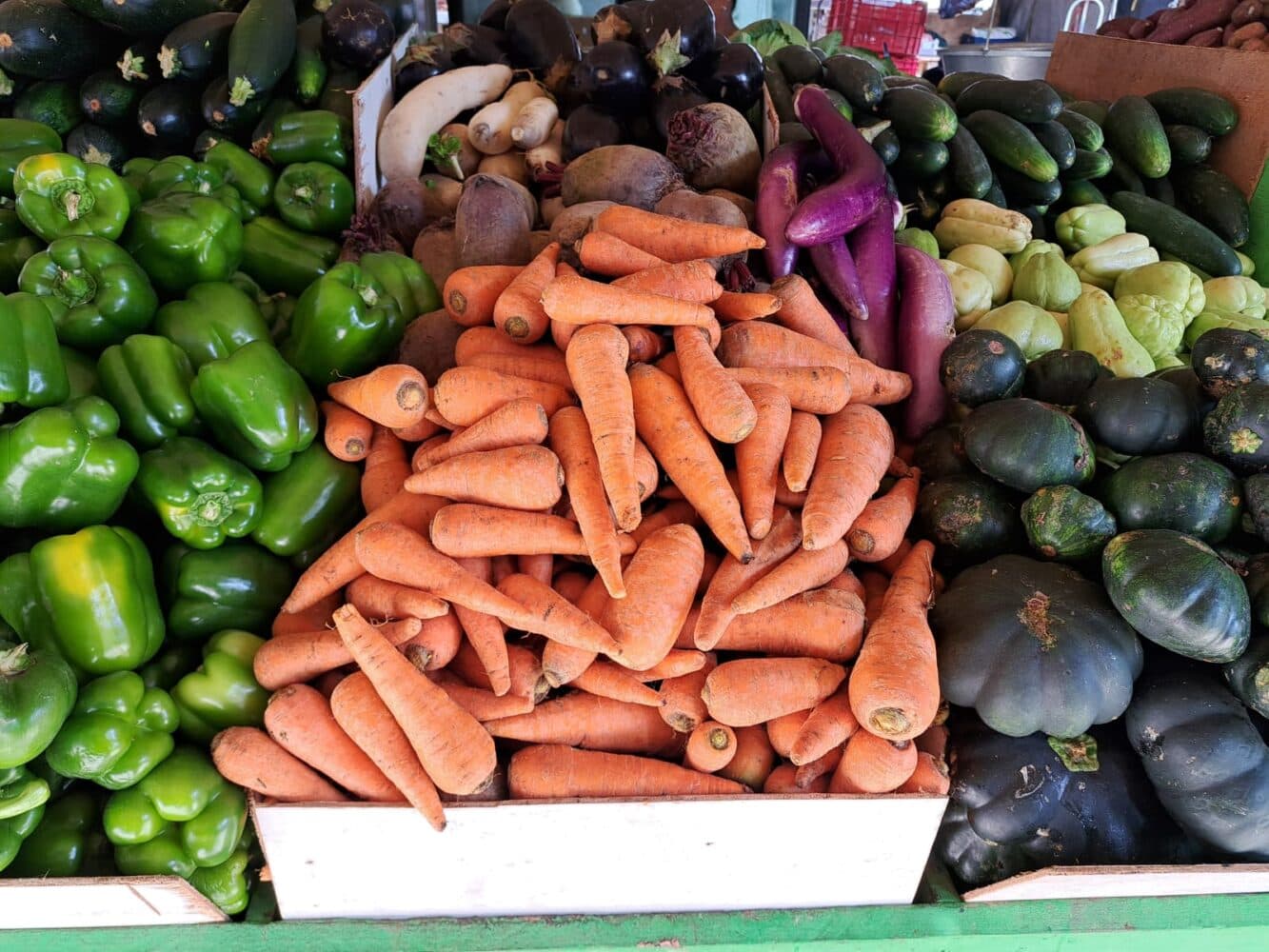
“Through this project, it is providing for the need of our northern group islands. But we want to expand on this in order to increase the production of vegetables for our people.”
Toki-Brown also pointed out another of the Ministry’s initiatives – raising high-quality breeds of pigs and goats in the Cook Islands.
She stated that funding for this initiative has been allocated from this year’s $800,000 Food Security and Import Substitution Programme, with $2.3 million earmarked over four years. The goal is to reduce reliance on imported meat, encourage local livestock production for personal benefit, and support the tourism sector, she added.
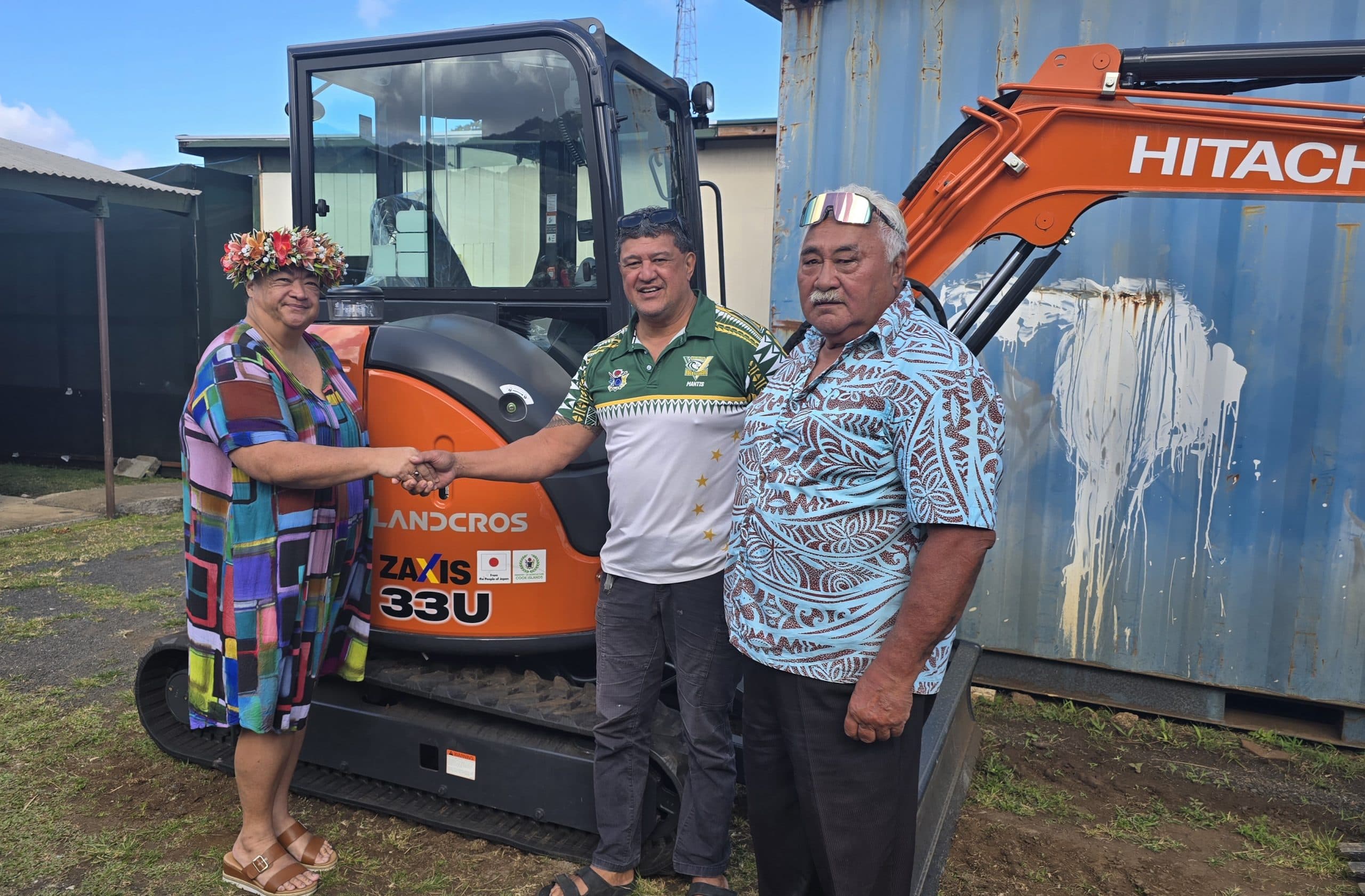
“Today on the island of Rarotonga the Ministry of Agriculture continues to support planting and grow seedlings, providing tractors to plough plantations and as you can see this is not sufficient. There is a need for an increase in this area,” Toki-Brown said.
“I would like to assure you that we had signed an agreement between Kai Natura (KNT). Under this agreement it is similar to what Danny Mataroa is doing. It is under his organisation that a lot of planters that we will support. This is what we in government endeavour to do in supporting these organisations, to realise their plans and visions to improve agriculture in our country.”
The Minister also commended Teava Iro of Titikaveka for producing chemical free fertilisers for the planters.

Comments
No comments yet. Be the first to share your thoughts.