
The Cook Islands Meteorological Service has forecast drier months ahead as El Niño takes grip over the region.
While the dry months are predicted to extend past the tropical cyclone season starting next month, the Meteorological Service has stated that the monthly average rainfall has fallen below 50 millimetres, lower than in previous years.
Despite this, TTV relationship manager William Tuivaga said there is no need to panic, but now is the time to prepare.
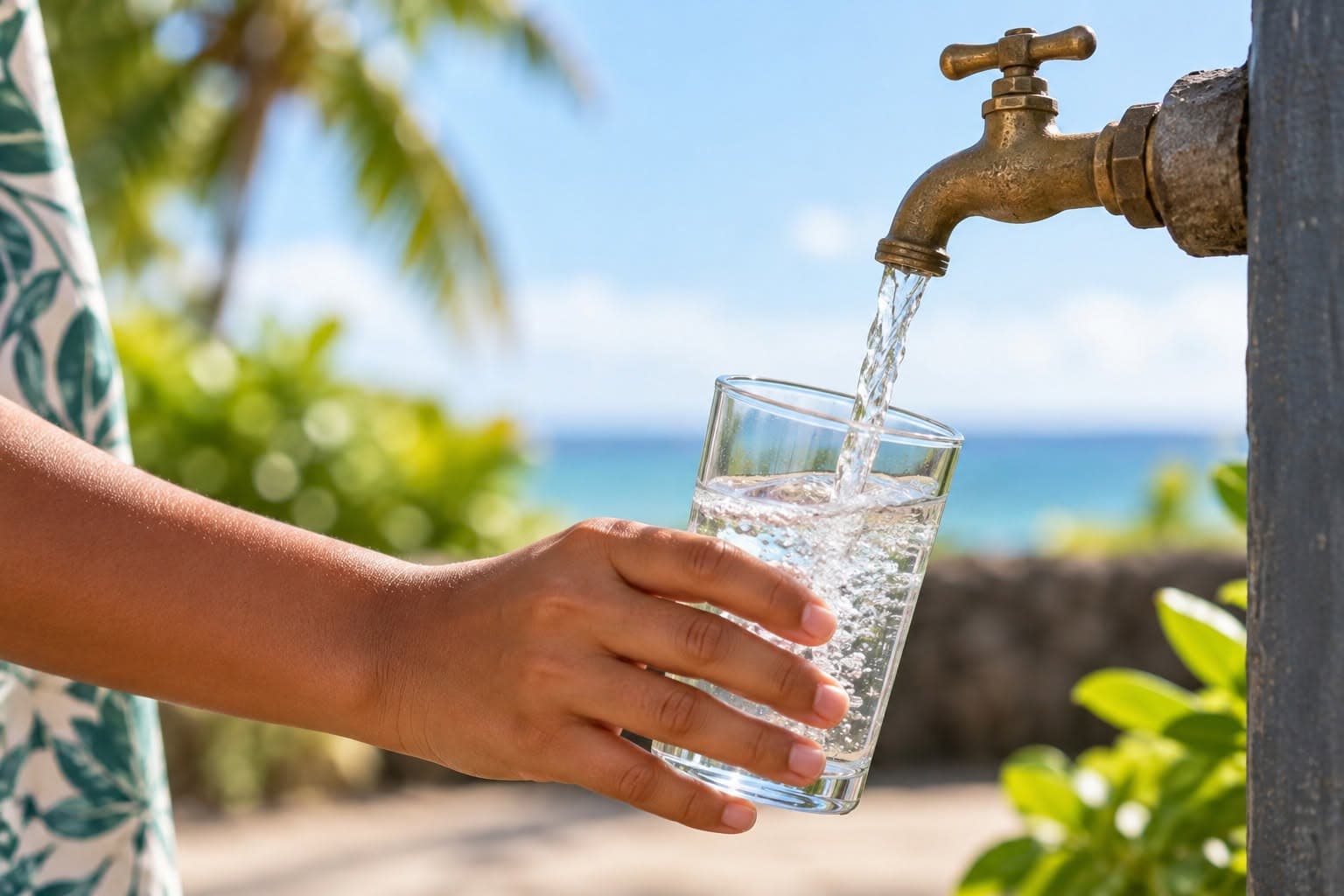
Tuivaga said that conserving water, harvesting rainwater and fixing leaks can all help protect Rarotonga’s water supply through the drier months.
“Rarotonga’s water production increases with rainfall and decreases during drier periods. A reduction in production during the dry and cooler months is normal,” Tuivaga said in his response to the Cook Islands News.
“While lower production can affect water pressure in some areas, TTV’s focus is on acting early to help maintain supply and prepare for drier-than-normal conditions.
“Our message remains consistent: conserve water, harvest rainwater and fix leaks. We do not wait for water production to become critical before taking action.”
In light of the climate forecast, Tuivaga said TTV encouraged all households, growers, businesses and tourism operators to review their water use and take practical steps to reduce unnecessary consumption.
“TTV is communicating this message across all sectors, not just agriculture,” he said. “We have met in person with growers, water carters, firefighters and the Tourism Council to discuss the importance of water conservation and preparedness.
“The message is the same for everyone: water conservation is a shared responsibility, and every customer has a role to play.”
Rarotonga’s water network extends for more than 200 kilometres.
Tuivaga said that TTV continues to monitor water production and network conditions and will adjust its response as needed if dry conditions continue into early next year.
Last month, a meeting was held with growers, and they were told to restrict water usage through proper planning. The growers responded positively.
The tourism sector remains the biggest consumer of water on Rarotonga. Surveys have shown that, on average, 10,000 litres are being used by the bigger hotels. There has been no announcement from the Tourism Council.
The last dry spell brought about by El Niño was in 1997. Rarotonga and other islands in the Southern Group experienced severe water shortages and intense droughts, dropping wet-season rainfall totals down to about 358 mm, roughly 35 per cent of normal average levels.
According to scientists at the US National Oceanic and Atmospheric Administration, this year’s El Niño has meant the water in the Central Pacific Ocean reached 3.1°C above its average compared to the previous high of 2.8°C recorded during the 1997-1998 El Niño season.

Comments
No comments yet. Be the first to share your thoughts.